How I Reversed My PCOS in 6 Months Eating Only Ghar Ka Khana
Read my client's journey of healing her hormones without giving up traditional food. Discover the exact Indian diet plan for PCOS I made to help regain her health.
PCOS
2/25/20264 min read
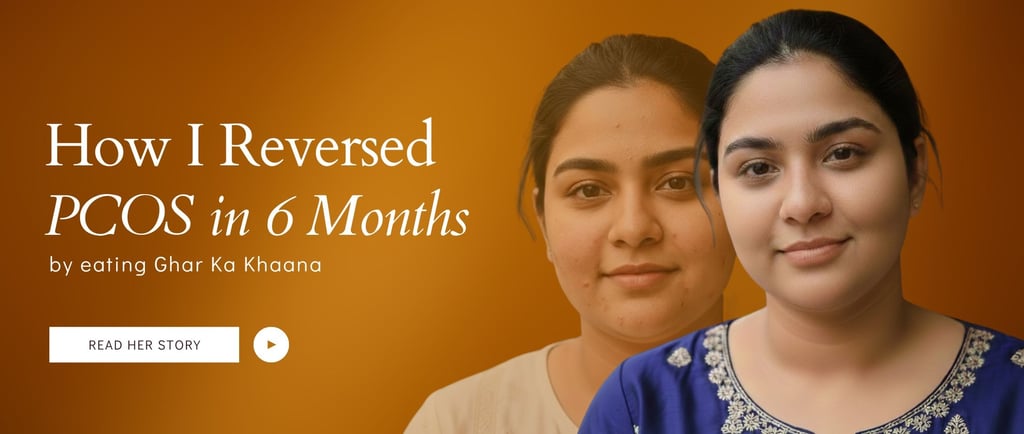
How I Reversed My PCOS in 6 Months Eating Only Ghar Ka Khana
Story by my client, Loveleen.
When my doctor first told me I had Polycystic Ovary Syndrome, I went straight to the internet. That was my first mistake. Every article and influencer told me I had to give up everything I loved. I was convinced I had to survive on imported kale, expensive avocados, and bland quinoa salads for the rest of my life.
I grew up eating warm dal, fluffy rotis, and spicy sabzis. The thought of giving up my culture's food to heal my body felt incredibly depressing and completely unsustainable.
Frustrated and tired of eating tasteless salads, I started searching for the best dietician in Delhi for PCOS. That is when I found Dietician Ankita Gupta Sehgal. She completely changed my life by telling me something no one else did: I could heal my hormones eating only "ghar ka khana".
Here is the exact story of how I embraced an authentic Indian diet plan for PCOS and reversed my symptoms in just six months.
The Day I Stopped Fearing Indian Food
During my first consultation, I told Dt. Ankita that I was ready to give up roti and rice forever. She actually laughed and stopped me right there.
She explained that there is a huge misconception that Indian food is inherently unhealthy or fattening. We are constantly told that our traditional meals will spike our blood sugar. But the problem is not our traditional food itself. The problem is how modern habits have changed the way we prepare it. We use too much refined oil, strip away the fiber, and forget our protein.
Once she taught me how to balance my plate, I realized that traditional Indian spices like turmeric and cinnamon are actually powerful anti-inflammatory agents.
My 6 Month Indian Diet Plan for PCOS (What I Actually Ate)
I stopped stressing over finding foreign superfoods and focused entirely on the balanced, home-cooked meals Dietician Ankita planned for me. Here is a look at what my daily routine actually looked like.
My Morning Routine
I started my day with a glass of warm water infused with overnight soaked fenugreek seeds (methi dana). Dt. Ankita taught me this simple kitchen remedy is fantastic for improving insulin sensitivity. I paired this with five soaked almonds and two walnuts to get my healthy fats in early.
My Go-To Breakfasts
I completely ditched sugary cereals and white bread. Instead, my breakfasts became protein packed Indian classics. I would have two moong dal chillas stuffed with grated paneer and raw spinach. On other days, I enjoyed a big bowl of savory vegetable poha topped with roasted peanuts for a healthy crunch.
My Comforting Lunches
Lunch was the ultimate ghar ka khana experience. I made sure half my plate was filled with seasonal vegetables like bhindi, tori, or palak. A quarter of the plate was a thick bowl of dal or chole for protein. The final quarter was a multigrain roti or a small portion of brown rice. A small bowl of fresh homemade curd was absolutely mandatory for my gut health.
My Evening Snacks
The 4 PM slump used to be my downfall. I used to reach for biscuits or packaged namkeen. Dt. Ankita swapped these for roasted makhana (foxnuts) tossed in a little ghee and black pepper. Sometimes I opted for roasted chana with a warm cup of green tea.
My Light Dinners
I kept my dinners very light and made a strict rule to finish my meal by 8 PM. A typical dinner was a large bowl of clear vegetable soup with grilled chicken tikka or paneer bhurji. By avoiding heavy grains late at night, I finally started waking up without that heavy, bloated feeling.
The Results After Six Months
Reversing PCOS was not about starvation. It was simply about understanding how to balance my plate. I learned to increase my protein portion, double my vegetable intake, and switch to whole grains.
It took patience, but after six months on this Indian diet plan for PCOS, my periods returned to a normal cycle, my stubborn acne cleared up, and I finally lost the weight I had been struggling with for years. The best part is that I never felt like I was on a diet.
If you are struggling right now, please know that you do not need a foreign menu to fix your hormones. You just need the right guidance and the comfort of your own kitchen.
Frequently Asked Questions (FAQs)
Can I really eat rice if I have PCOS? Yes, you absolutely can! I eat rice regularly. The trick Dt. Ankita taught me is portion control and pairing it correctly. Always pair a small portion of rice with a large serving of protein rich dal and plenty of fiber rich vegetables to prevent a sudden spike in your blood sugar.
Is regular wheat roti bad for PCOS? Traditional wheat roti is not the enemy, but you can easily upgrade it. I switched to a multigrain atta that includes grains like oats, soy, and psyllium husk. This adds much more fiber and protein to the meal, making it much better for insulin resistance.
What is the best Indian breakfast for PCOS? The best breakfasts are high in protein and fiber so you stay full. My absolute favorites are moong dal chilla, besan chilla, paneer stuffed parathas cooked with very minimal oil, and vegetable upma.
How long does it take to see results from changing your diet? Every body is different. I noticed improvements in my energy levels and a huge reduction in bloating within the first four weeks. The more significant changes like my menstrual regularity and weight loss took about three to six months of consistent healthy eating.
Contact
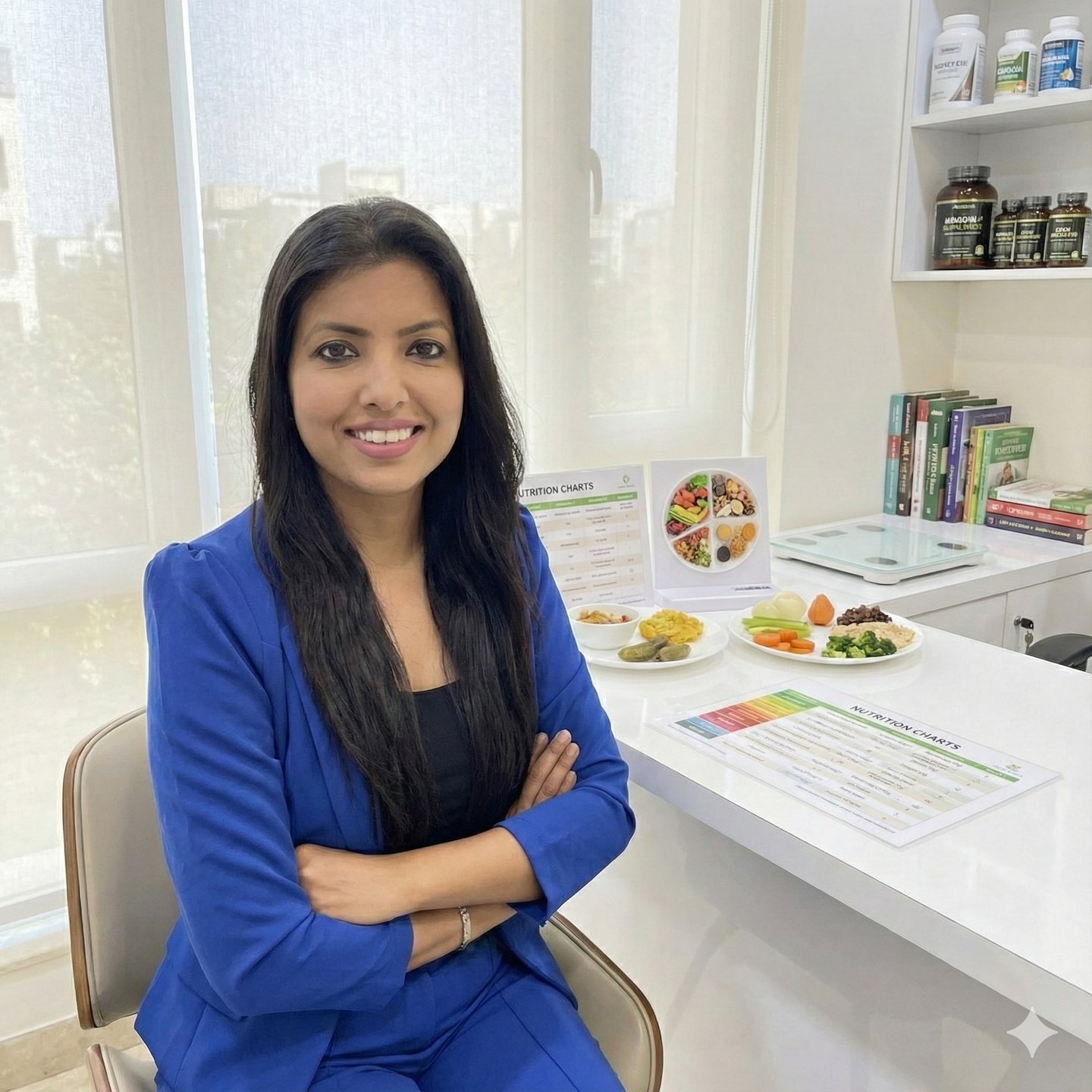
Dietician Ankita Gupta Sehgal is one of India's leading dieticians specialising in PCOS reversal, sustainable weight loss, thyroid management, gut health, and women's hormonal nutrition. Based in Delhi with 16+ years of clinical experience, she has helped thousands of women across India, USA, UK, UAE, and Canada transform their health using personalised, science-backed Indian diet plans - no crash diets, no supplements, just real food.
info@nutritionmatters.co.in
+91-9873974659
© 2025. All rights reserved.
Call