7 Silent Diet Mistakes Making Your PCOS Worse (Indian Diet Plan)
Are you eating healthy but still struggling with PCOS weight gain and hair fall? Discover the 7 silent diet mistakes Indian women make every day and how a balanced Indian diet plan for PCOS can fix your hormones.
PCOS
2/27/20265 min read

Why Your PCOS Is Getting Worse: 7 Silent Diet Mistakes Indian Women Make Every Day
You are eating homemade food. You are trying to walk every evening. You have even stopped eating junk food. Yet, the weighing scale refuses to budge, your acne is flaring up, and your hair is thinning.
It is incredibly frustrating to feel like you are doing everything right while your body is fighting against you. If you are feeling exhausted and defeated, I want you to know that it is not your fault. You are likely making a few well-intentioned but silent dietary mistakes that are quietly worsening your hormonal imbalance.
In my clinic, patients often search for the best dietician in Delhi for PCOS because they are tired of generic advice that does not work. When we look closely at their daily routines, we almost always find these seven hidden culprits.
Let us break down the everyday mistakes Indian women make and how you can fix them using a proper Indian diet plan for PCOS.
Mistake 1: Starting Your Day with Chai and Rusk
This is the classic Indian morning routine. You wake up and immediately have a cup of sweet tea with a rusk or two biscuits. It feels light and harmless. However, for a woman with PCOS, this is a recipe for disaster.
Starting your day with refined sugar and processed flour on an empty stomach causes an immediate and massive blood sugar spike. This forces your body to pump out excess insulin. High insulin levels directly tell your ovaries to produce more testosterone, which leads to facial hair growth and stubborn belly fat.
The Fix: Start your morning with warm water and soaked fenugreek seeds or a handful of soaked almonds and walnuts. Save your tea for after you have had a protein-rich breakfast.
Mistake 2: Relying Only on 'Dal' for Your Protein
We have been taught since childhood that a bowl of dal is the ultimate source of protein. While lentils are incredibly healthy and rich in fiber, they are actually a carbohydrate-dominant food. A standard bowl of cooked dal gives you about 30 grams of carbs and only 7 to 8 grams of protein.
PCOS thrives on high carbohydrates and low protein. If dal is your only protein source at lunch and dinner, you are likely overeating carbs and under-eating the protein your body desperately needs to build muscle and stabilize insulin.
The Fix: An effective Indian diet plan for PCOS must include dense protein sources. Pair your dal with paneer, soya chunks, eggs, fish, or chicken to meet your actual daily protein requirements.
Mistake 3: Fearing Traditional Fats like Ghee
In the quest to lose weight, many women completely banish oil and ghee from their kitchens. They eat dry rotis and steamed vegetables. This is a massive mistake for your hormones.
Your hormones are literally built from cholesterol and fats. When you starve your body of healthy fats, your hormone production goes completely out of balance. Furthermore, adding a teaspoon of ghee to your meals actually lowers the glycemic index of the food, meaning it prevents your blood sugar from spiking too fast.
The Fix: Embrace healthy, traditional fats. A moderate amount of pure desi ghee on your roti, coconut oil, or a daily serving of nuts and seeds will actually help your body heal.
Mistake 4: Eating Fruits as a Standalone Snack
Fruits are packed with vitamins, minerals, and antioxidants. But they also contain natural sugar called fructose. When you eat an apple or a bowl of grapes all by themselves in the afternoon, that natural sugar digests very quickly and spikes your insulin levels.
The Fix: Never eat "naked carbs." Always pair your fruit with a source of fat or protein. Eat your apple with a spoonful of peanut butter, or have your papaya with a handful of almonds or pumpkin seeds. This slows down digestion and keeps your energy stable.
Mistake 5: Treating All Carbs as the Enemy
On the flip side of overeating carbs is the mistake of cutting them out completely. Many women try extreme low-carb or keto diets because they want fast results.
While cutting out refined carbs like maida and sugar is essential, eliminating complex carbohydrates causes intense stress on your body. This elevates your cortisol (the stress hormone), which ironically signals your body to hold onto fat. It also leads to severe mood swings and hair loss.
The Fix: A sustainable Indian diet plan for PCOS relies on complex, fiber-rich carbohydrates. Keep your multigrain rotis, brown rice, oats, and sweet potatoes, but simply control the portion sizes.
Mistake 6: Skipping Meals to Lose Weight Faster
When the weight refuses to drop, the natural instinct is to eat less. You might skip breakfast or starve yourself until dinner.
Skipping meals signals to your brain that you are in a famine. Your metabolism slows down to conserve energy. When you finally do eat, your body stores as much of it as possible as fat just in case you starve it again. This erratic eating pattern completely destroys your insulin sensitivity.
The Fix: Eat balanced meals at regular intervals. Breakfast, lunch, and dinner should happen at roughly the same time every day to keep your circadian rhythm and hormones happy.
Mistake 7: Forcing Yourself to Follow Western Diets
You do not need to eat salmon and kale salads every day to cure your PCOS. Forcing yourself to eat foods you do not enjoy, or foods that are hard to find and expensive, only leads to frustration. You will follow the diet for two weeks and then binge on your favorite comfort foods.
The Fix: Your cultural food is not the enemy. You can achieve incredible hormonal balance eating rajma, chole, paneer bhurji, and traditional sabzis. The key is simply adjusting the cooking methods and portion sizes.
If you are tired of making these silent mistakes and want a clear path forward, it might be time to seek professional guidance. Working with the best dietician in Delhi for PCOS ensures that you get a personalized plan that fits your exact lifestyle, blood work, and cultural preferences.
Frequently Asked Questions (FAQs)
Can I drink milk if I have PCOS?
Dairy affects every woman differently. Some women with PCOS have an inflammatory response to the A1 protein found in regular commercial milk, which can worsen acne and insulin resistance. If you notice bloating or breakouts, try switching to A2 milk or plant-based options like almond or soy milk. However, homemade curd (dahi) is usually very well tolerated and excellent for your gut health.
Is intermittent fasting good for PCOS?
It depends on your stress levels. For some women, a gentle 12 to 14 hour fast overnight helps improve insulin sensitivity. However, aggressive fasting (like 16 to 18 hours) can increase cortisol levels and disrupt your menstrual cycle further. Always consult a professional before starting a fasting routine.
Can I eat wheat roti on a PCOS diet?
Yes, you can eat wheat roti, but portion control is crucial. To make it even better for your blood sugar, I highly recommend mixing your regular wheat flour with high-fiber flours like oats, chickpea flour (besan), or soya flour.
How much protein do I actually need every day?
A general guideline is to aim for 0.8 to 1 gram of protein per kilogram of your ideal body weight. If your goal weight is 60 kg, you should be aiming for roughly 50 to 60 grams of protein distributed evenly across your meals throughout the day.

Consult for PCOS Diet Plan
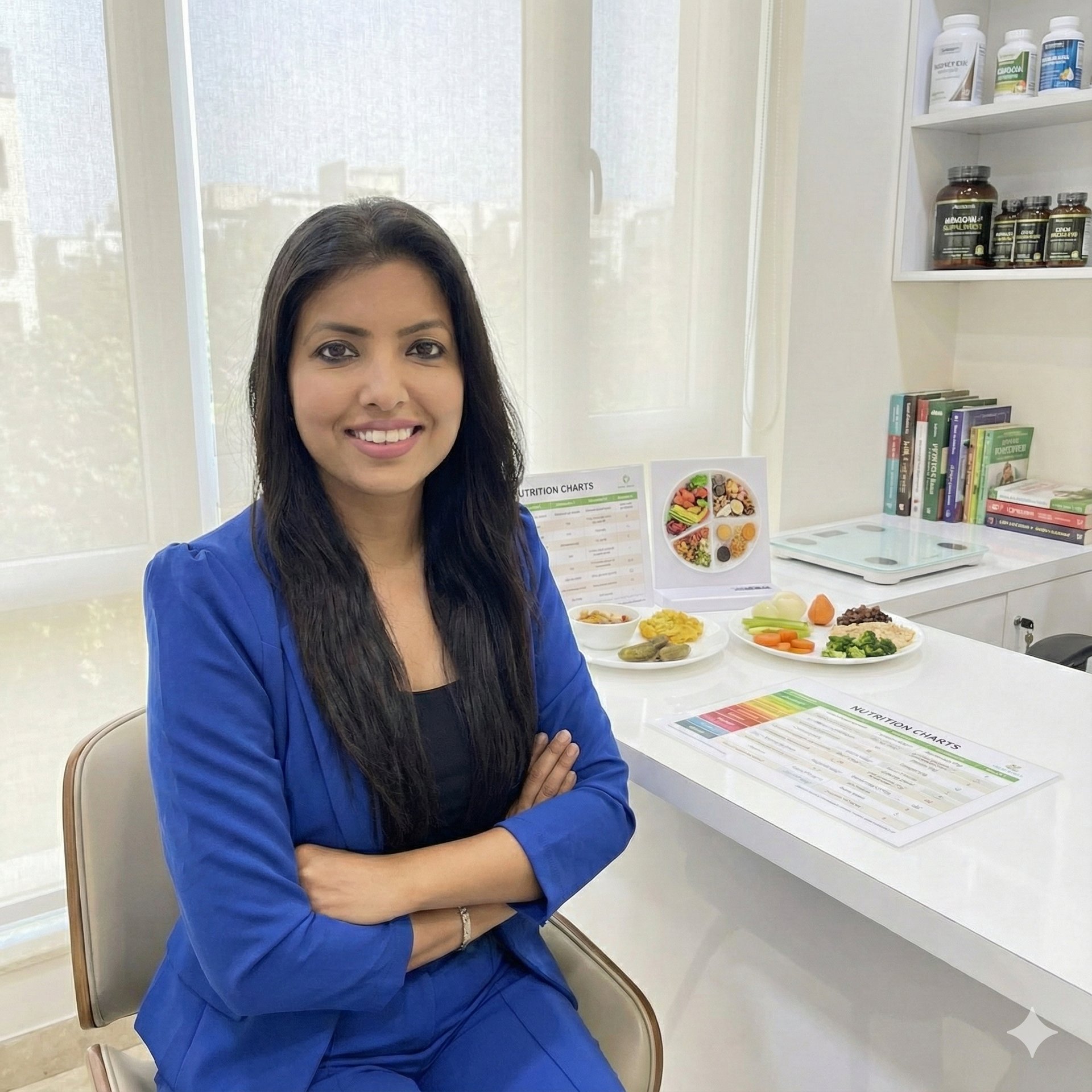
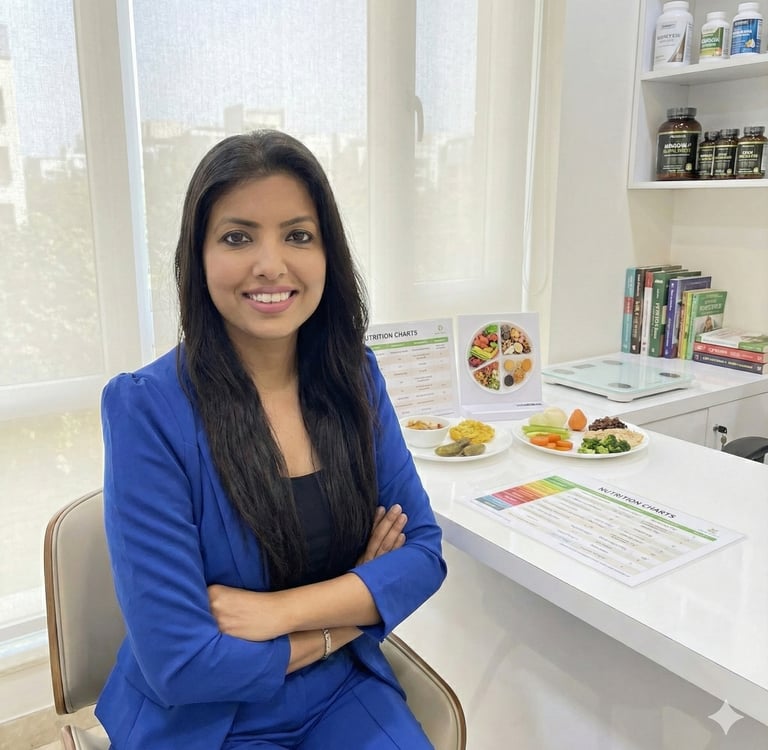
Dietician Ankita Gupta Sehgal, Rated as one of the best dietician in Delhi NCR


Contact
Dietician Ankita Gupta Sehgal is one of India's leading dieticians specialising in PCOS reversal, sustainable weight loss, thyroid management, gut health, and women's hormonal nutrition. Based in Delhi with 16+ years of clinical experience, she has helped thousands of women across India, USA, UK, UAE, and Canada transform their health using personalised, science-backed Indian diet plans - no crash diets, no supplements, just real food.
info@nutritionmatters.co.in
+91-9873974659
© 2025. All rights reserved.
Call