Spotting Between Periods? 5 Diet Hacks to Manage Intermenstrual Bleeding Naturally
Worried about spotting between periods? Dietitian Ankita explains why intermenstrual bleeding happens and how simple foods like Seeds, Iron, and 'Cooling' foods can help stop it.
PCOS
12/25/20253 min read
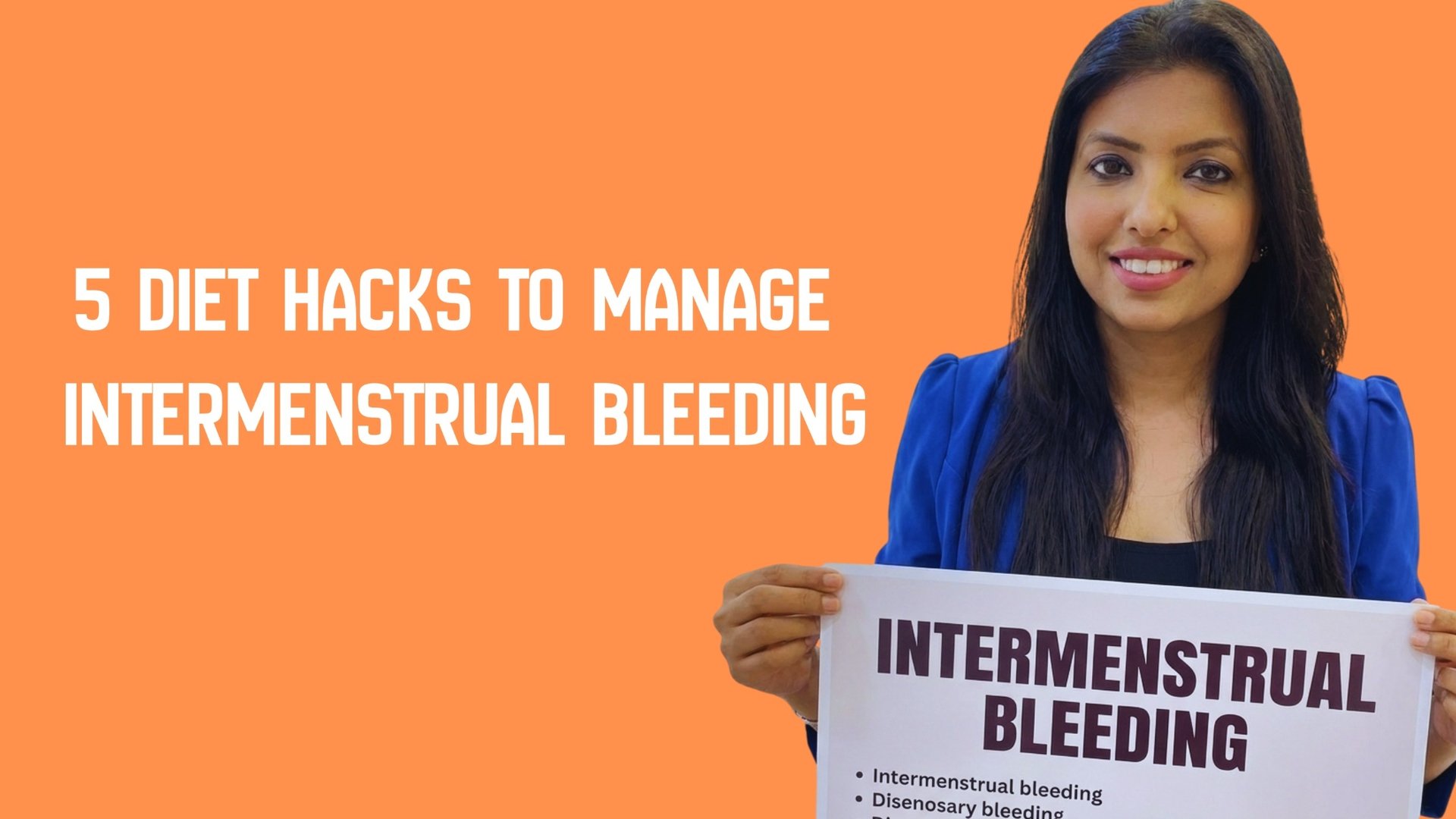
Spotting Between Periods? Why It Happens & Simple Diet Hacks to Fix It
You go to the washroom and see blood. You check the calendar - your period isn't due for another two weeks. Panic sets in. "Is something wrong with me?" "Did my period come early?"
Intermenstrual Bleeding, commonly known as Spotting, is one of the most stressful issues women face. While it is often caused by a harmless drop in hormones during ovulation, frequent spotting can be a sign of Low Progesterone, Estrogen Dominance, or high body heat (Pitta).
Before you spiral into worry, let’s look at how your kitchen can help balance your hormones and reduce this "nuisance bleeding."
(Note: If bleeding is heavy or accompanied by severe pain, please consult a Gynecologist to rule out fibroids or polyps first. Nutrition supports hormonal causes.)
Why Am I Bleeding Mid-Cycle?
From a nutritional perspective, mid-cycle spotting usually happens for two reasons:
The "Ovulation Dip": During ovulation (Day 14-16), Estrogen drops briefly. If it drops too low, the uterine lining sheds a little.
Low Progesterone: In the second half of your cycle, Progesterone holds the uterine lining in place. If Progesterone is low (common in PCOS and stress), the lining becomes unstable and leaks.
Here are 5 Diet Hacks to stabilize your lining naturally.
1. The "Magnesium Magic" (To Boost Progesterone)
If your spotting happens a few days before your actual period is due, you likely have low Progesterone. Magnesium is the mineral that tells your body to calm down and produce progesterone.
What to Eat: Soaked Almonds, Pumpkin Seeds, and Dark Chocolate (70%+ Cocoa).
The Hack: Eat 1 banana every evening. Bananas are rich in Vitamin B6, which is crucial for progesterone production.
2. Cool Down Your Body (Ayurvedic Wisdom)
In Ayurveda, excessive bleeding is often linked to high 'Pitta' (Heat) in the body. If you eat a lot of spicy food, fried snacks, or coffee, your internal heat increases, causing capillaries to burst or the lining to shed.
The Hack: Introduce "Cooling Foods" immediately when spotting starts.
Gond Katira: Soak it overnight and have it in milk or water.
Sabja Seeds (Basil Seeds): Add to water or buttermilk.
Gulcand: Have 1 tsp of organic Rose Petal Jam (Gulkand) with warm milk at night.
3. Seed Cycling (Phase 2 Focus)
Seed cycling is a powerful tool for spotting. Since spotting often occurs due to a hormone mismatch, seeds help regulate it.
The Hack: If you are in the second half of your cycle (Day 15 to Day 30), focus on Sesame Seeds (Til) and Sunflower Seeds.
Why? They are rich in Zinc and Vitamin E, which support Progesterone production and strengthen the uterine lining.
How: Add 1 tsp of roasted seeds to your salad or oats.
4. Vitamin C & Bioflavonoids (Strengthen Blood Vessels)
Sometimes, spotting occurs because the tiny blood vessels (capillaries) in the uterus are weak and break easily.
The Hack: You need Vitamin C—but not from sour lemons (which might trigger acidity).
What to Eat: Guava (Amrood), Bell Peppers (Shimla Mirch), and Amla.
Tip: Amla is astringent (Kashaya rasa), which naturally helps tighten tissues and stop excessive bleeding.
5. Cruciferous Veggies (Estrogen Detox)
If you have "Estrogen Dominance" (common in PCOS), your lining gets too thick and sheds irregularly. You need to help your liver flush out old, "dirty" estrogen.
The Hack: Eat cooked Broccoli, Cauliflower, or Cabbage at least 3 times a week.
Note: Always cook them well (don't eat raw) to protect your thyroid.
When to see a Dietician for help?
Spotting is your body’s way of asking for balance. It’s asking for rest, cooling foods, and better nutrition. Instead of ignoring it, feed your hormones what they need.
Struggling with irregular periods or PCOS?
Let’s fix the root cause. [Book a Hormonal Health Consultation] with Dietitian Ankita Gupta Sehgal.
Contact
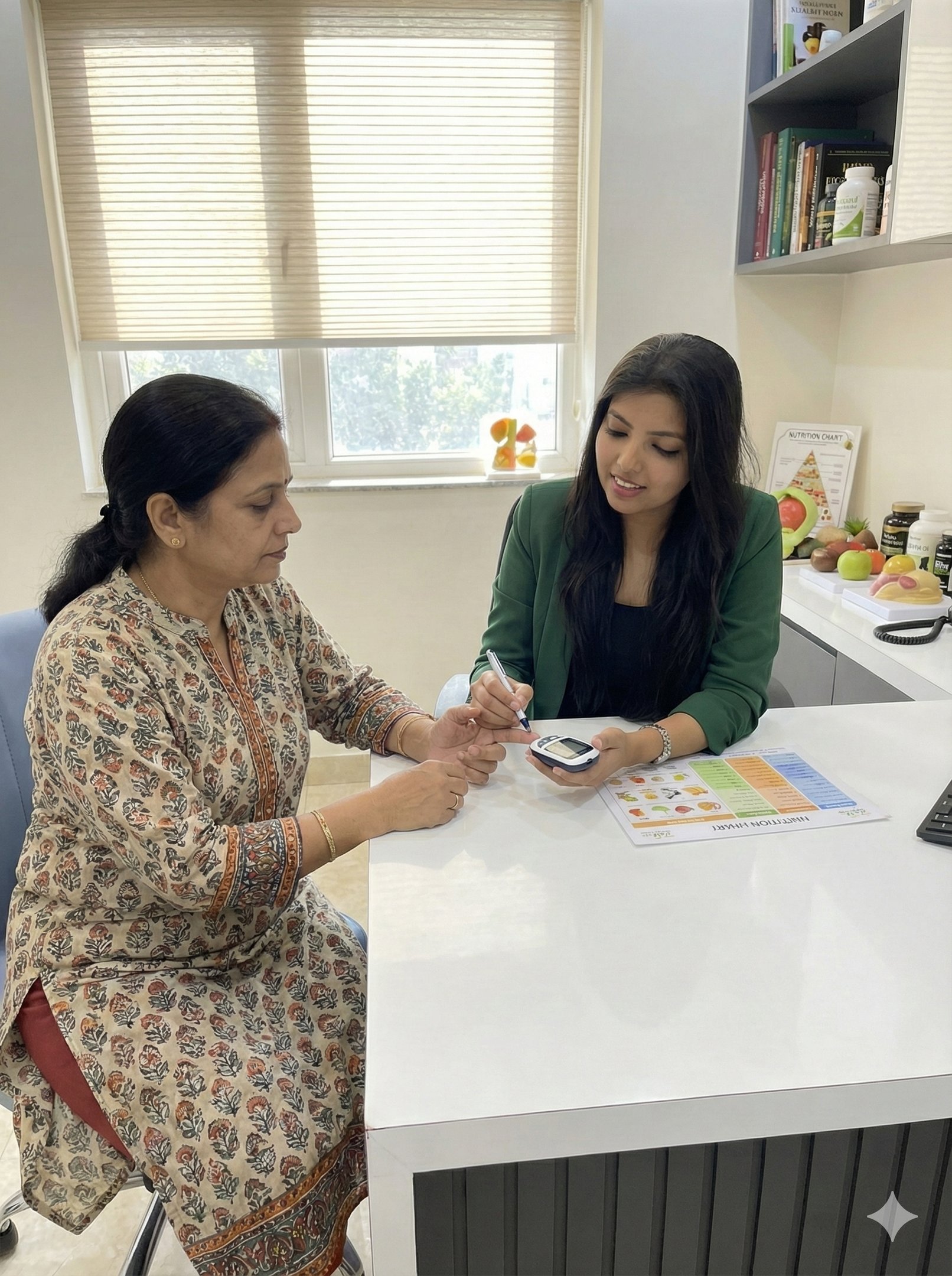
Dietician Ankita Gupta Sehgal is one of India's leading dieticians specialising in PCOS reversal, sustainable weight loss, thyroid management, gut health, and women's hormonal nutrition. Based in Delhi with 16+ years of clinical experience, she has helped thousands of women across India, USA, UK, UAE, and Canada transform their health using personalised, science-backed Indian diet plans - no crash diets, no supplements, just real food.
info@nutritionmatters.co.in
+91-9873974659
© 2025. All rights reserved.
Call