The Roti & Rice Defense: Why You Don’t Need to Quit Indian Food to Lose Weight
Can you eat Roti and Rice for weight loss? The answer is YES. Discover the 3 rules to eating traditional Indian food while burning fat. No starving required.
MYTH BREAKER
1/3/20264 min read
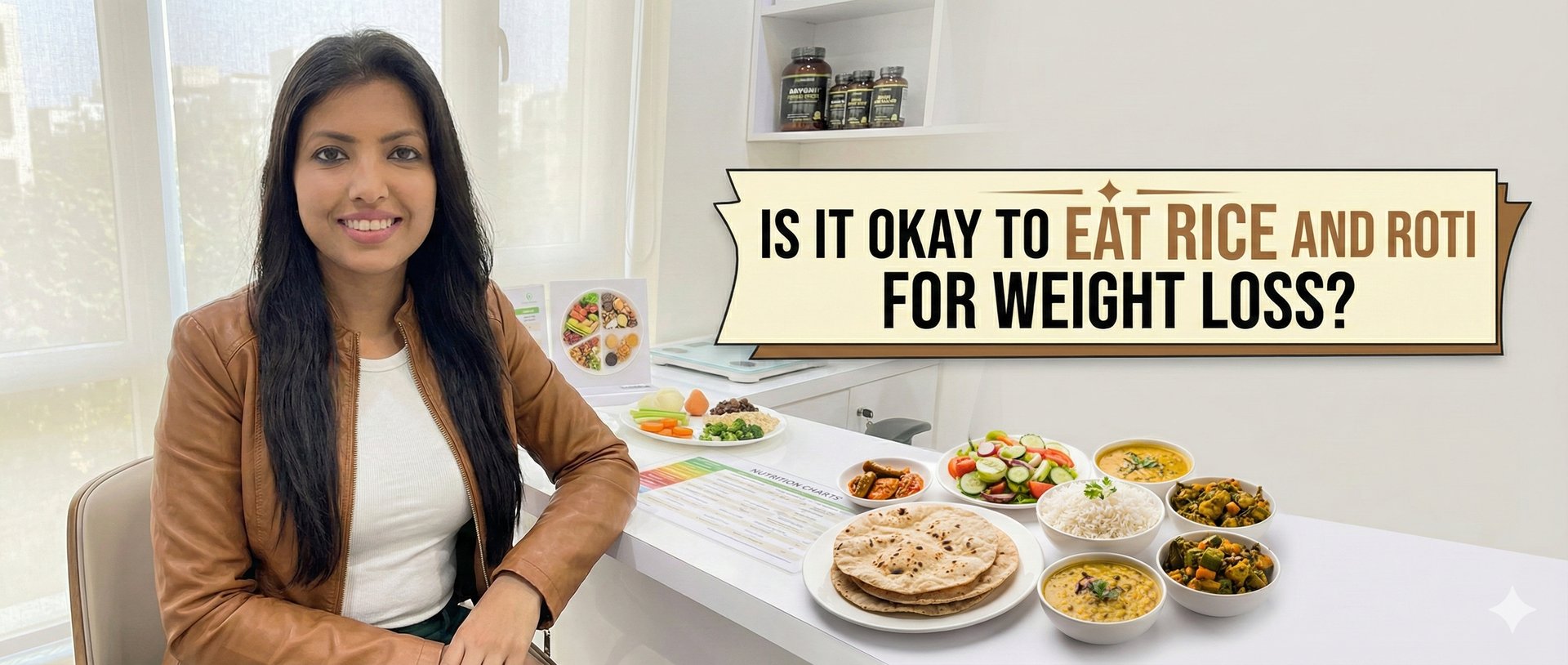
Stop looking for health in imported avocados. It’s been in your kitchen all along.
"I have a confession… I ate rice yesterday."
I hear this at least three times a week in my clinic. New clients sit down, look down at their hands guiltily, and whisper it like they have committed a crime. They expect me to scold them. They expect me to hand them a diet chart filled with Quinoa, Kale, and boiled chicken.
But here is the truth: The Roti isn't the problem. The Rice isn't the villain.
For years, the wellness industry has been dominated by Western trends. First, it was low-fat, then it was Keto, and now it’s Intermittent Fasting. Somewhere along the way, we started believing that our traditional Indian diet—the food our grandmothers ate while staying active and healthy—is suddenly "unhealthy."
But if you are living in India, dealing with the stress of a modern job, and managing conditions like PCOS or thyroid issues, abandoning your staple food is not the answer. In fact, it’s usually why you fail.
Here is the science behind why you can (and should) eat Ghar ka Khana and still lose weight.
The Science: It’s Not About the Carb, It’s About the "Company" It Keeps
The biggest argument against rice and wheat is that they have a high Glycemic Index (GI). This means they break down into sugar quickly and spike your insulin levels.
But here is the catch: Glycemic Index only matters if you are eating the food alone.
Who eats a bowl of plain, dry white rice? Nobody. Who eats a dry Roti without anything on it? No one.
We eat Roti with Ghee. We eat Rice with Dal or Rajma. We add a side of Sabzi and maybe some salad.
This is where the magic of Food Synergy comes in.
Protein (Dal/Paneer/Chicken) slows down digestion.
Fiber (Sabzi/Salad) acts like a mesh, preventing sugar from rushing into your blood.
Healthy Fats (Ghee) lower the overall glycemic load of the meal.
When you eat a balanced Indian Thali, that "sugar spike" flattens into a steady curve of energy. You don't need to cut the carb; you just need to stop eating "naked carbs." Dress them up with protein and fiber!
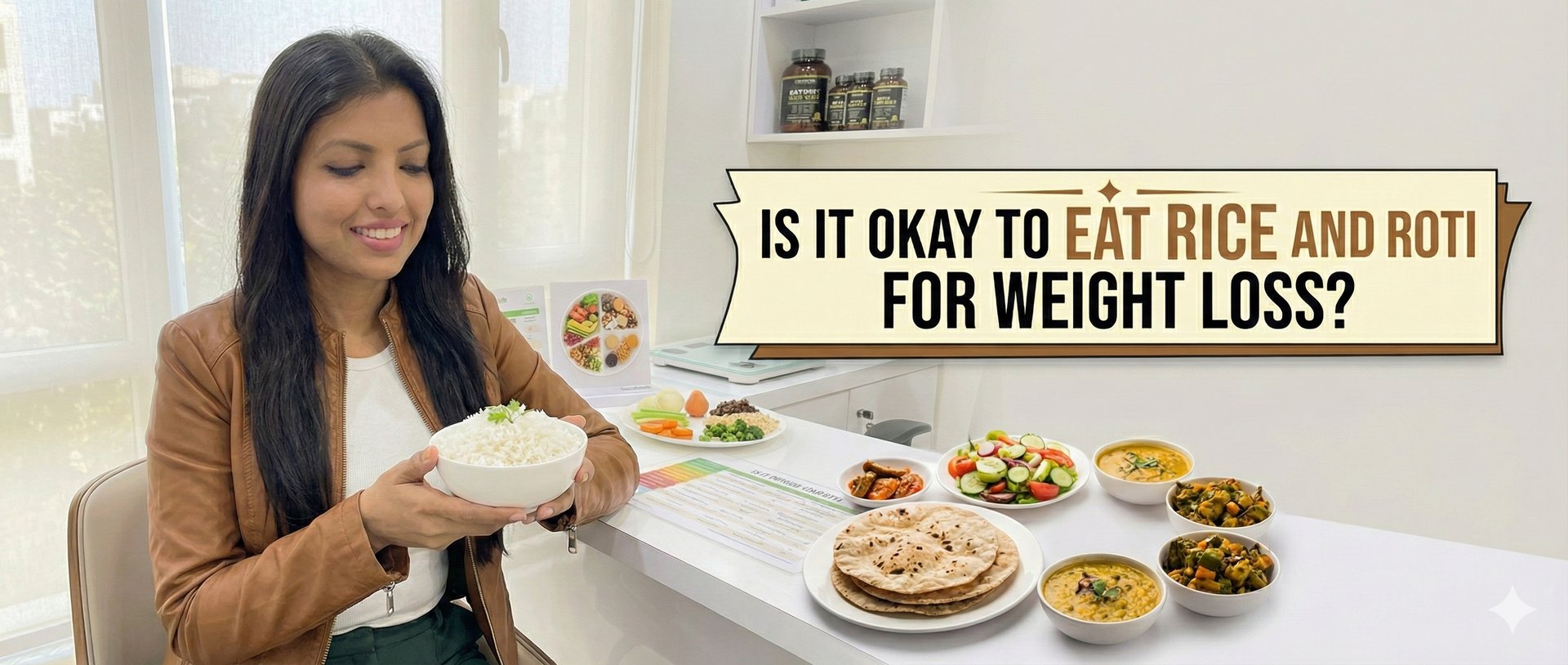

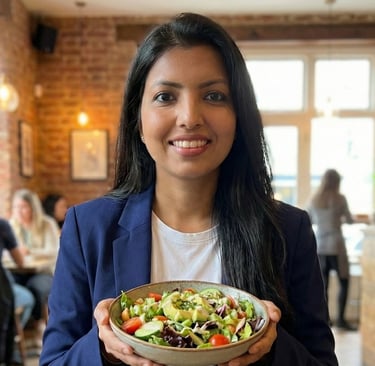
The Sustainability Trap: Why "Salad Diets" Fail
How many times have you started a diet on Monday, eating only boiled vegetables and soups, only to find yourself binging on sweets by Friday night?
This happens because food is not just fuel; it is satisfaction.
Our distinct Indian palate craves the texture of Roti and the comfort of warm food. When you force yourself to eat cold salads or bland grilled meats that don't satisfy your cultural taste buds, your brain rebels. You feel deprived. And deprivation is the enemy of consistency.
A sustainable diet is one you can do for 50 years, not just 5 weeks. If you can’t imagine a life without Roti, don’t build a diet without it.
The 3 Rules for Eating Roti & Rice (While Dropping Fat)
So, can you eat unlimited naan and biryani? No. The key is strict management of Portion and Proportion.
If you want to heal your metabolism and lose weight while eating home-cooked food, follow these three rules:
Rule #1: Flip the Ratio Look at your plate. If it is 80% Rice and 20% Dal/Veg, that’s a dessert, not a meal.
The New Formula: 50% Vegetables (Sabzi + Salad) + 25% Protein (Dal/Curd/Non-Veg) + 25% Carb (Roti/Rice).
Fill half your plate with fiber first. This naturally limits how much room you have for the starch.
Rule #2: Respect the Order Don't start with the Roti. Start with the salad or the sabzi. By lining your stomach with fiber first, you physically slow down the absorption of the glucose from the Roti you eat next. This is a game-changer for my clients with insulin resistance or PCOS.
Rule #3: Earn Your Carbs Our grandparents ate heaps of rice, but they also walked everywhere and worked physically. We sit in chairs for 9 hours a day.
You don't need to starve, but you do need to move. A simple 15-minute walk after your lunch or dinner can significantly reduce the blood sugar spike from that meal.
The Bottom Line
You do not need to shop in the "imported foods" aisle to be healthy. You do not need to torture yourself with food you hate.
Healing your body, reversing PCOS symptoms, and losing that stubborn weight is about going back to basics. It’s about eating real food, in the right combinations, at the right time.
So, go ahead. Eat the Roti. Just make sure it has some good company on the plate.
Still confused about how much is "too much" for your specific body type? Portion sizes aren't one-size-fits-all. If you want a plan that fits your lifestyle, your work hours, and your tastebuds, let’s chat.
Contact
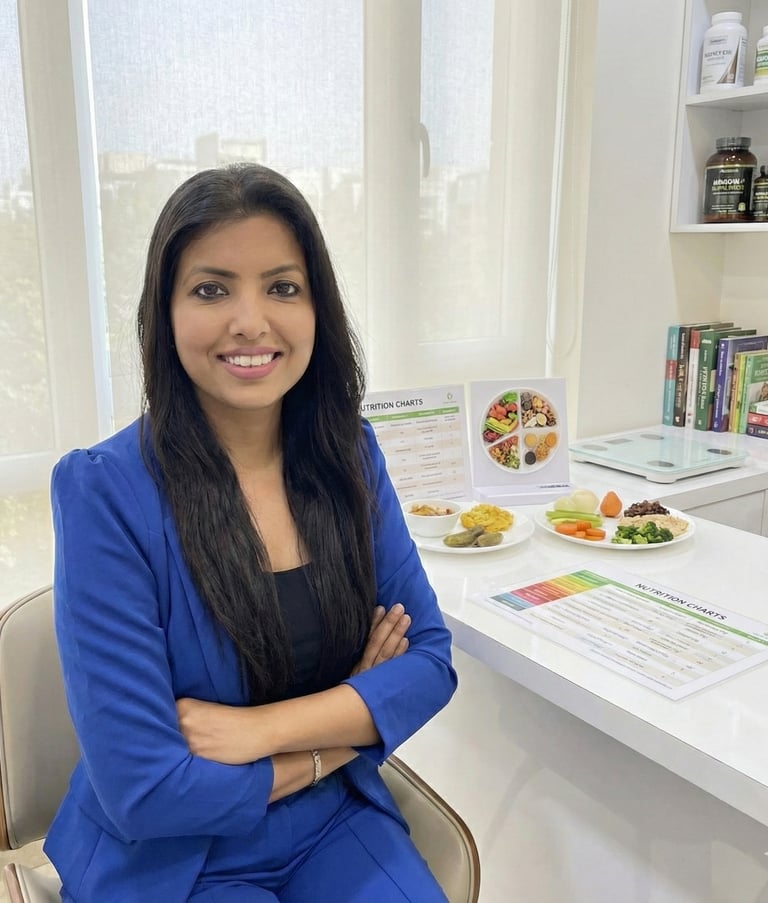
Dietician Ankita Gupta Sehgal is one of India's leading dieticians specialising in PCOS reversal, sustainable weight loss, thyroid management, gut health, and women's hormonal nutrition. Based in Delhi with 16+ years of clinical experience, she has helped thousands of women across India, USA, UK, UAE, and Canada transform their health using personalised, science-backed Indian diet plans - no crash diets, no supplements, just real food.
info@nutritionmatters.co.in
+91-9873974659
© 2025. All rights reserved.
Call