Atta vs. Suji vs. Maida: Which is Actually Healthier for You?
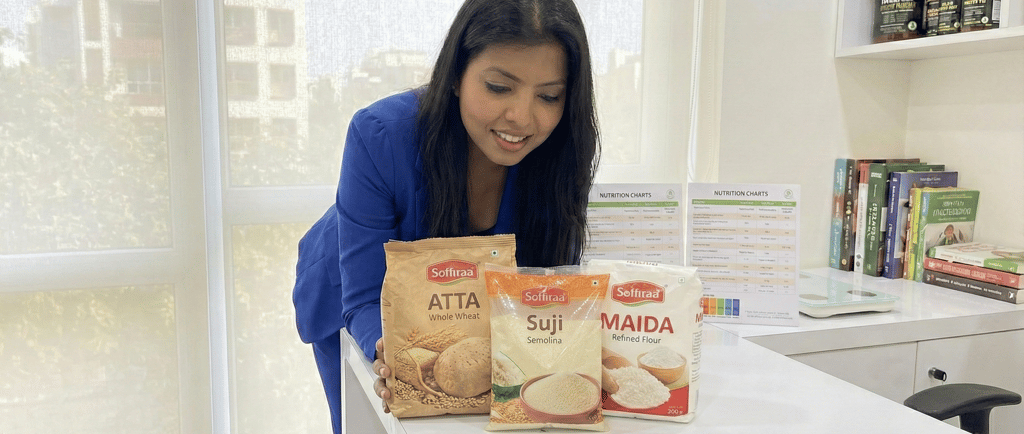
Is Suji really healthier than Roti? We break down the truth about wheat processing: discover why Atta (15g fiber) is nutritionally superior to Suji (4g fiber) and Maida for your daily diet.
MYTH BREAKER
2/10/20263 min read
Introduction: The "Healthy" Breakfast Trap
We have all been there. You decide to get healthy, so you swap your morning Aloo Paratha for a vegetable Suji Cheela or Upma. You feel good about it. You feel "lighter."
But have you ever stopped to wonder if that swap is actually nutritionally better?
It is fascinating when you think about it. Your Roti is made of wheat. Your Upma (Suji) is made of wheat. Your Bhatura (Maida) is also made of wheat.
If they all come from the exact same grain, why does one make you gain weight while the other keeps you fit? Why does one spike your sugar while the other stabilizes it?
The answer isn't in the grain itself. It is in the processing.
Let’s break down these three kitchen staples one by one to see what is really going on inside that flour bin.
1. Atta (Whole Wheat Flour): The Gold Standard
Let’s start with the king of Indian households.
What is it? When wheat grains are ground down completely—keeping the outer skin (bran), the roughage, and the core - you get Atta. Nothing is removed. It is the "whole" package.
The Nutrition Fact You Need to Know: Because it keeps that outer layer, Atta is a fiber bomb. In just 100 grams of Atta, you get approximately 15 grams of fiber.
Why Dietitians Love It:
It keeps you full. That high fiber content means your body takes longer to break it down. You don't feel hungry an hour after eating a Roti.
Sugar Control. It releases energy slowly, keeping your blood sugar levels stable instead of causing a sudden spike.
Nutrient Dense. It retains the most proteins, vitamins, and minerals of the three.
Verdict: This is your daily driver. It is the healthiest option for main meals.


2. Suji (Semolina/Rava): The "Middle Child"
This is where the confusion happens. Many of my clients believe Suji is the ultimate "diet food."
What is it? Suji is what happens when you take that same wheat and process it further. The goal here is to remove the fiber and the husk. It is coarser than fine flour, but make no mistake - it is refined.
The Nutrition Reality Check: Remember the 15 grams of fiber in Atta? In Suji, that number drops drastically to just 4 grams of fiber.
The Honest Truth: Suji is definitely better than Maida. However, it is not a nutritional equal to Atta. It is a middle ground. Don't fall into the trap of thinking Suji is a "great alternative" to wheat for weight loss. It digests faster than Roti, meaning you might feel hungry sooner.
Verdict: Good for a light breakfast or pre-workout meal when you need quick energy, but don't replace every meal with it.
3. Maida (Refined Flour): The Occasional Treat
We all know this one is the villain, but do you know why?
What is it? Maida is the result of taking Suji and processing it even more to strip away almost every last bit of roughage and fiber.
The Nutrition Void: By the time it reaches this white, powdery stage, the fiber content is negligible—barely 1 to 2 grams.
Why You Should Limit It: Without fiber to slow it down, Maida turns into glucose in your blood very quickly. This gives you a sugar spike followed by a crash, leaving you craving more food.
Verdict: Save this for festivals, parties, and the occasional Bhatura. It is not for daily fuel.
The Final Breakdown
If you are a numbers person, here is the cheat sheet to remember next time you are grocery shopping:
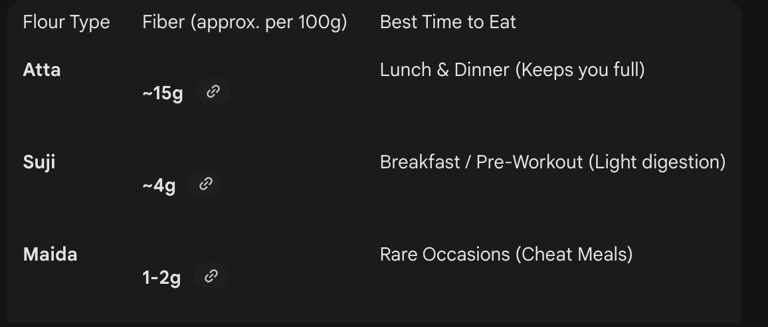
Next time you are meal planning, remember that Atta is strictly healthier than Suji because it retains the fiber, protein, and vitamins that nature intended.
Suji is a nice change of taste, but it shouldn't replace your whole grains entirely. And Maida? Well, keep that for the special days!
Which flour dominates your kitchen? Tell me in the comments below!
Contact
Dietician Ankita Gupta Sehgal is one of India's leading dieticians specialising in PCOS reversal, sustainable weight loss, thyroid management, gut health, and women's hormonal nutrition. Based in Delhi with 16+ years of clinical experience, she has helped thousands of women across India, USA, UK, UAE, and Canada transform their health using personalised, science-backed Indian diet plans - no crash diets, no supplements, just real food.
info@nutritionmatters.co.in
+91-9873974659
© 2025. All rights reserved.
Call